
This story is originally published in our partner, the North American Business Press website.
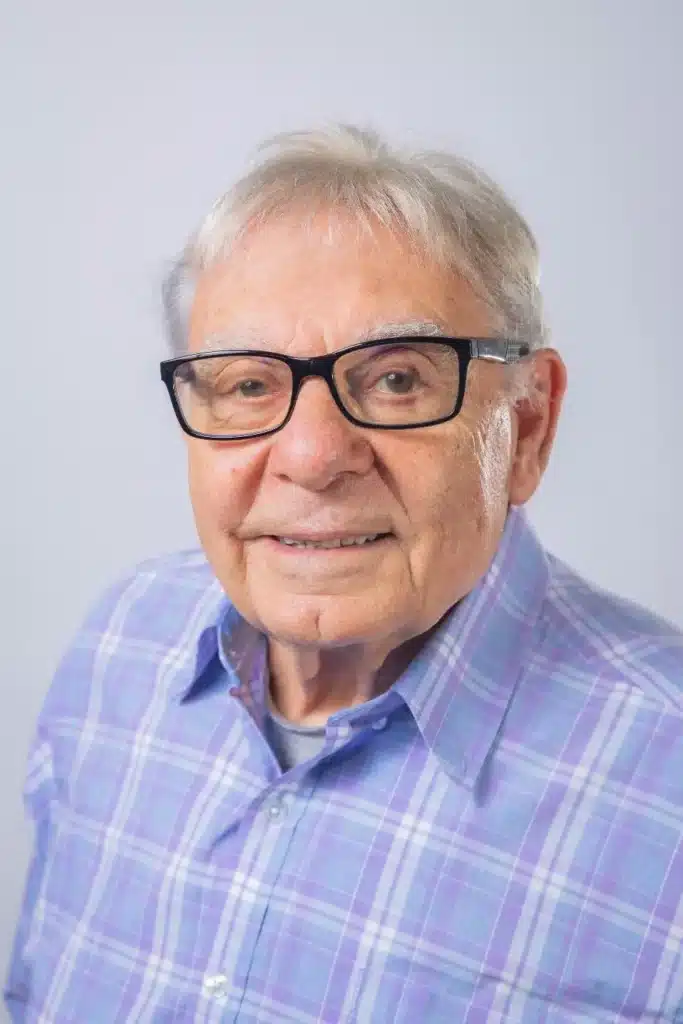
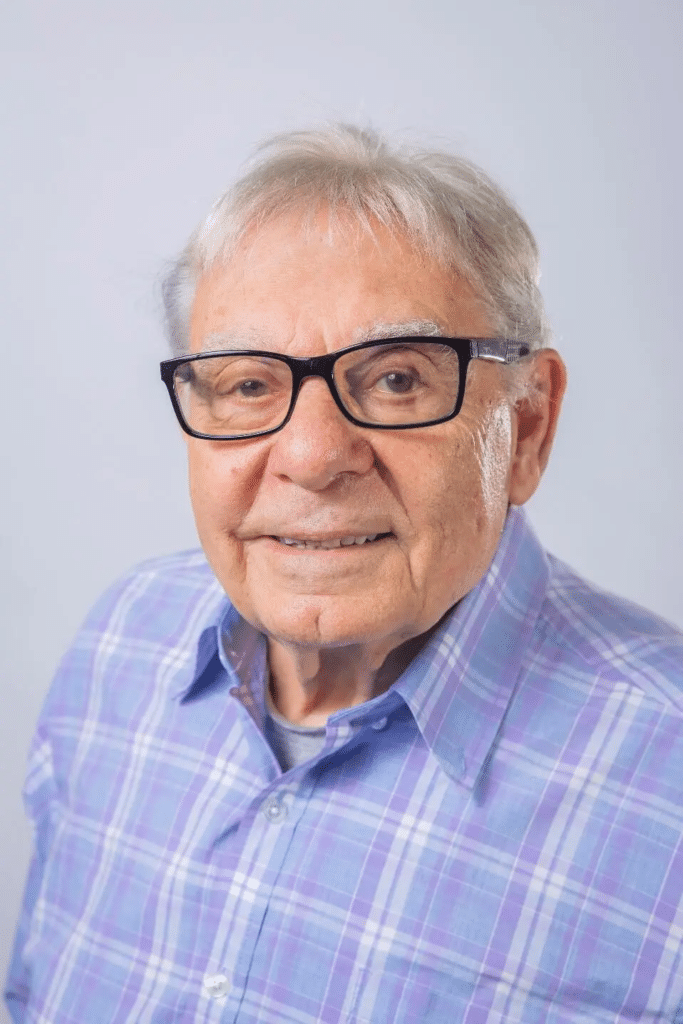
In an era defined by rapid technological shifts and a service-oriented economy, the fundamental understanding of how things are made is becoming a lost art. In this edition of Ahead of the Curve, we explore the work of Dr. Joseph B. Mosca, an Associate Professor of Management and Leadership at Monmouth University’s Leon Hess Business School. With a career that spans both the high-pressure world of corporate operations and the corridors of academia, Dr. Mosca is on a mission to ensure that the leaders of tomorrow understand the “nuts and bolts” of the industries they manage.
From the Shop Floor to the Classroom
Dr. Mosca’s academic journey is uniquely defined by his “journeyman” spirit. Before entering higher education, he spent over 25 years in industry, rising through the ranks to become a corporate director for the Grand Union Company. During those decades, he worked in warehouses, managed supermarkets, and led HR departments, all while completing his undergraduate and graduate degrees at night, eventually earning his Ed.D. from New York University.
These experiences solidified his belief that effective leadership requires a deep, tactile understanding of the transformation process—from raw materials to the customer’s hands. Reflecting on his transition to academia, Dr. Mosca noted, “I left that administration world because I really wanted a chance to be able to teach and work with students. My industry experience influences everything I do on a daily basis; it allows me to be the person who bridges the gap between theory and the real-world task.”
Reclaiming ‘Made in America’ and Understanding Gen Z
Dr. Mosca’s recent research, including his newly-published paper in the Journal of Business Diversity titled “What Does ‘Made in America’ Mean to Human Resource Managers and Higher Education?,” explores the potential resurgence of the U.S. industrial economy. He argues that for the U.S. to remain competitive, students must move beyond “instant gratification” and regain an understanding of operational production.
His work also dives deep into the psychology of Generation Z in the workforce. Dr. Mosca views HR not as a clerical silo, but as a strategic arm of an organization that must understand the biological and cultural elements of how people learn. “Each generation has its strengths and its history,” he remarks. “If you are going to be a business person and you don’t understand the cultures or the generations you are managing, you are in trouble.”
Navigating Silos and Driving Interdisciplinary Change
Building a career in academia has required Dr. Mosca to challenge the traditional “silos” of higher education. He advocates for an interdisciplinary approach where math, English, art, and history are not taught in isolation but integrated into practical business projects. To Dr. Mosca, the most effective education happens when students are forced to solve problems as a team, mirroring the collaborative environments of the modern workplace.
He also practices what he preaches regarding lifelong learning. Late in his career, he pursued rigorous Quality Matters (QM) certification to master online teaching, driven by a desire to reach students more effectively in a hybrid world. “The worst thing we can do is get comfortable,” he shared. “If you’re too comfortable, it means you’ve settled. When you’re uncomfortable, you’re looking for what’s different, and that’s where the growth is.”
A Message to the NABP Community
Dr. Mosca’s dedication to mentorship is evidenced by the Dr. Joseph B. Mosca Scholarship, established by his students to honor his leadership and his open-door policy. His legacy is one of “forced alignment”—snapping the corrected text of academic theory to the rough audio of real-world experience.
His message to the NABP community is one of community and mutual respect: “We need to be a neighborhood. In a neighborhood, we share and we have access to each other’s expertise. Know who you are, and appreciate the chance to get to know others. That is the greatest thing you have in life—the chance to see what another person has to offer.”
As Dr. Mosca continues to shape the next generation of HR and operational leaders, his work stands as a reminder that while the world may be increasingly digital, the most successful leaders will always be those who aren’t afraid to get their hands on the “nuts and bolts” of their business.